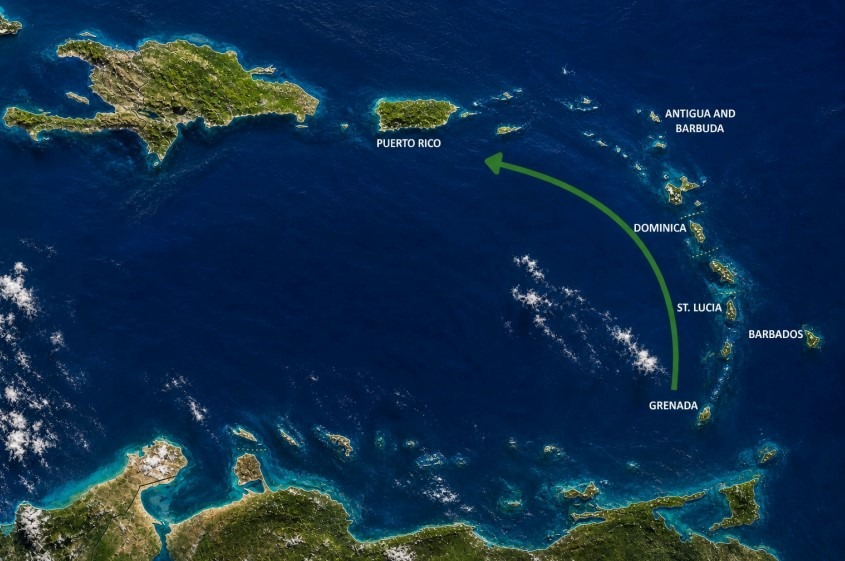
The future of port power in the Caribbean is brimming with potential. As the region embraces the global shift towards sustainable energy, its ports are on the brink of a transformative evolution. At GEM, we stand at the forefront of this exciting transition, leading with innovative solutions that mitigate environmental impact while enhancing the operational efficiency and economic viability of ports across the Caribbean. This ambitious vision forms the backbone of our Caribbean Green Corridor (CGC) initiative.
GEM aims to establish and deliver Green Solar Power to meet 100% of the sea port’s operational needs and to provide green shore-to-ship power (solar energy and/or waste-to-energy) to berthed cruise vessels at the Caribbean Islands. This project is unique, and the Caribbean Islands are an ideal home for this pioneering initiative, which creates a maritime route and a logistic chain where cruise vessels are fuelled by renewable and sustainable energy, hence a CGC.
Regional Benefits
- Operational Efficiency and Sustainability: The Caribbean Green Corridor (CGC) enhances efficiency, resilience, and sustainability within various port operations. By adopting renewable energy sources and cutting-edge technologies, ports can significantly reduce their environmental footprint and improve operational performance.
- Supporting the Net-Zero Agenda: The CGC aligns with the net-zero agenda, a critical pathway toward a sustainable future. By transitioning from fossil fuels to renewable energy, ports can lower carbon emissions and contribute to global efforts to combat climate change.
- Boosting Tourism: A solar-powered green corridor in the Caribbean becomes an appealing feature for eco-conscious tourists. Sustainable initiatives can positively impact tourism revenue by attracting a growing segment of environmentally aware travellers.
- Economic Growth: Developing and implementing the CGC drives regional economic growth by creating new job opportunities in renewable energy, construction, and port operations. This leads to increased economic activity and improved living standards in the Caribbean.
- Energy Independence: Caribbean ports can reduce their reliance on imported fossil fuels by adopting renewable energy sources. This shift enhances energy security, stabilizes energy prices, and reduces the economic impact of global oil price fluctuations.
- Enhanced Regional Collaboration: The CGC fosters collaboration among Caribbean nations. By working together to implement sustainable practices, these countries can share knowledge, resources, and best practices, creating a more unified and resilient regional approach to sustainability.
Global Implications
- Catalysing Change: Operational green corridors like the CGC demonstrate the feasibility of sustainable cruise and shipping solutions. This success inspires global action toward the energy transition, encouraging other regions to adopt similar sustainable practices.
- Alignment with International Goals: Initiatives such as the ‘Getting to Zero Coalition’ aim to establish green corridors, contributing to international emissions reduction targets. The CGC aligns with these efforts, positioning the Caribbean as a leader in sustainable maritime practices.
Conclusion
The Caribbean Green Corridor (CGC) initiative is a ground breaking step toward a sustainable future for the maritime industry. By embracing renewable energy sources and cutting-edge technologies, GEM and its partners are driving significant positive change in port operations regionally and globally. Beyond environmental impact, this initiative fosters economic growth, energy independence, and enhanced collaboration. As ports across the Caribbean adopt these sustainable practices, they set a powerful example for the rest of the world, demonstrating the immense potential and feasibility of a greener maritime future.
Advice for Ports
- Embrace the Opportunity: Transitioning to sustainable practices is critical for future-proofing port operations. Embrace the opportunities presented by the CGC to innovate and lead in sustainability.
- Invest in Renewable Technologies: Prioritize investments in renewable energy systems such as solar and waste-to-energy technologies. These investments will reduce long-term operational costs and improve environmental performance.
- Collaborate and Share Knowledge: Engage with other ports and stakeholders within the CGC initiative. Sharing knowledge, experiences, and best practices strengthens regional collaboration and drives collective success.
- Focus on Efficiency and Resilience: Implement strategies to enhance operational efficiency and resilience. This includes optimizing energy use, upgrading infrastructure, and adopting advanced technologies to reduce emissions and improve performance.
- Communicate Your Commitment: Clearly communicate your commitment to sustainability to stakeholders, including customers, investors, and the local community. Demonstrating environmental responsibility enhances your port’s reputation and attracts eco-conscious clients and partners.
- Monitor Progress and Adapt: Continuously monitor your progress towards decarbonization goals and adapt strategies as needed. Regularly reviewing and adjusting your approach ensures ongoing improvement and alignment with sustainability objectives.
By following these recommendations, ports can effectively leverage the benefits of the CGC initiative and create a more sustainable and resilient maritime industry.