Integrating energy and ports for a resilient Caribbean
Four coordinated initiatives advancing resilient infrastructure, clean energy, and economic stability across Caribbean ports and energy systems.
Caribbean ports and energy systems face mounting pressures from fuel-import dependence, rising operating costs, stricter environmental standards, climate exposure, and grid vulnerability—threatening trade, tourism, and long-term economic resilience. These challenges cannot be solved through isolated projects or single technologies. They require coordinated, systems-based solutions that strengthen resilience, improve performance, unlock new revenue opportunities, and deliver lasting economic value through integrated energy and infrastructure platforms.
GEM’s Regional Initiatives provide this integrated framework.
By aligning clean‑energy deployment, port decarbonisation, grid resilience, waste‑to‑energy systems, and recovery planning, GEM connects ports, electric utilities, governments, and communities through coordinated planning and phased implementation. Each initiative addresses a distinct priority, yet together they form complementary pillars of a unified regional strategy, enhancing energy security, operational continuity, sustainable growth, and diversified income streams across the Caribbean economy.
An Integrated Delivery Framework
The strength of GEM’s Regional Initiatives lies in how they function together as a coordinated infrastructure framework. Each initiative addresses a specific priority, but their full impact emerges when advanced together through system design and phased deployment.
- A Caribbean Green Corridor’ for Ports
Advances port electrification, renewable generation, energy storage, and shore‑to‑ship systems while aligning port demand with electric-utility coordination—delivering cleaner operations, stronger resilience, and new revenue opportunities from clean‑energy supply to maritime customers.
→ Explore the full initiative - Renewable Energy Partnerships for a Resilient Caribbean
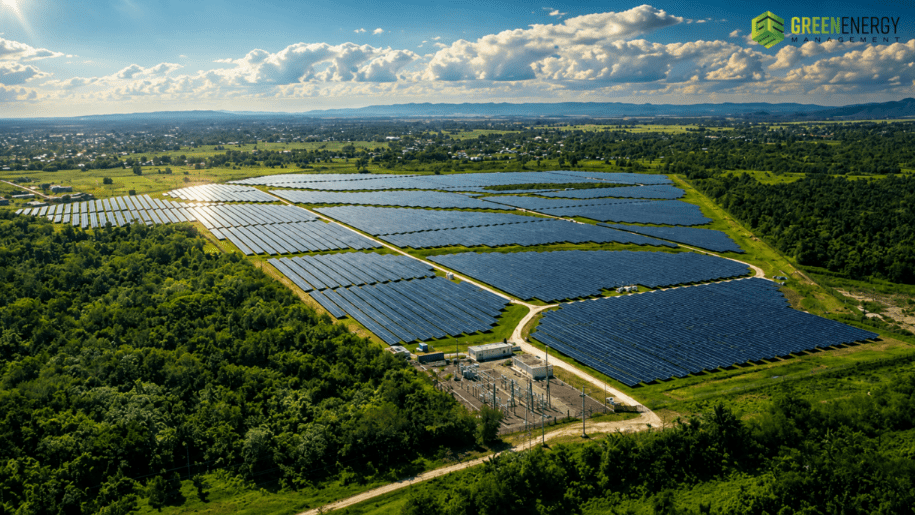
Drives electric-utility modernization, renewable integration, and coordinated grid investment—reducing fuel‑import dependence, stabilizing electricity systems, and strengthening long‑term energy security.
→ Explore the full initiative - Resilience and Recovery: Dual Priorities for Caribbean Ports
Embeds climate preparedness, operational continuity, and structured
recovery planning into port strategies, protecting critical assets and
enabling faster restoration after disruptions.
→ Explore the full initiative - Waste to Energy & Products: A Strategic Opportunity
Transforms unavoidable waste streams into renewable generation and transitional energy products—reducing landfill pressure, reinforcing circular infrastructure, and creating monetizable energy outputs for ports, electric utilities, and communities.
→ Explore the full initiative
How Integration Strengthens Performance
When implemented as a coordinated program:
- Port electrification supports utility modernization.
- Waste‑to‑energy enhances distributed renewable generation.
- Recovery planning protects clean‑energy investments.
- Coordinated grid design ensures new loads strengthen, not strain, island systems.
- Revenue from clean‑energy services reinforces long‑term financial sustainability.
Through this integrated model, infrastructure investments move beyond compliance or isolated upgrades to become reinforcing components of a resilient, revenue‑aware regional energy platform—delivering measurable system‑wide outcomes.
Regional System Outcomes
Advanced together, GEM’s Regional Initiatives generate tangible impact:
- Ports operate as cleaner, more resilient energy platforms aligned with national grid strategies.
- Electric Utilities benefit from diversified generation, improved load coordination, and stronger grid stability.
- Governments reduce fuel‑import exposure, enhance fiscal resilience, and
accelerate climate commitments. - Communities experience improved air quality, stronger energy security, and more reliable infrastructure.
By aligning electrification, renewable integration, waste‑to‑energy deployment, and recovery planning, each initiative reinforces the others. Income generated through clean‑energy services and diversified infrastructure platforms further strengthens fiscal resilience across the region.
From Strategy to Implementation
GEM translates these initiatives into executable infrastructure programs. Through a systems‑based approach, GEM aligns technical design, operational requirements, regulatory frameworks, and financing structures into phased, bankable projects. This enables initiatives to progress at different speeds and scales while remaining anchored within a shared regional framework.
By integrating port energy demand, electric-utility operations, waste‑management platforms, resilience planning, and capital structuring, GEM ensures infrastructure decisions enhance long‑term stability rather than introduce unintended risk.
The result: disciplined, financeable implementation aligned with Caribbean operating and fiscal realities.
A Unified Regional Vision
Taken together, GEM’s Regional Initiatives establish a coordinated infrastructure strategy that strengthens the foundations of Caribbean trade, energy security, and long‑term economic resilience. Rather than pursuing isolated projects, this framework aligns port electrification, grid modernization, renewable integration, waste‑to‑energy deployment, and structured recovery planning into a unified regional platform.
This integrated approach redefines the role of critical infrastructure:
- Ports evolve from logistics hubs into strategic energy platforms—generating clean power, enabling shore‑to‑ship systems, and diversifying revenue through energy services.
- Electric Utilities transition from fuel‑dependent operators to modern grid integrators—balancing renewables, distributed assets, and load growth while enhancing national energy security.
- Waste streams become productive infrastructure inputs—supporting renewable generation, circular economy goals, and localized value creation.
- Energy planning becomes a tool of fiscal and economic strategy —reducing import exposure, stabilizing costs, and unlocking diversified income streams.
Through partnership‑driven delivery and coordinated systems planning, GEM advances a Caribbean energy transition that is technically disciplined, commercially grounded, and strategically aligned with national priorities.
The result is not simply cleaner energy, but stronger institutions, more resilient infrastructure, and a coordinated regional platform capable of sustaining long-term economic performance.