Grid modernization and integrated planning are reshaping the Caribbean energy transition.
This article is Part 1 of a three-part GEM series examining the infrastructure, coordination, and implementation considerations shaping the Caribbean energy transition.
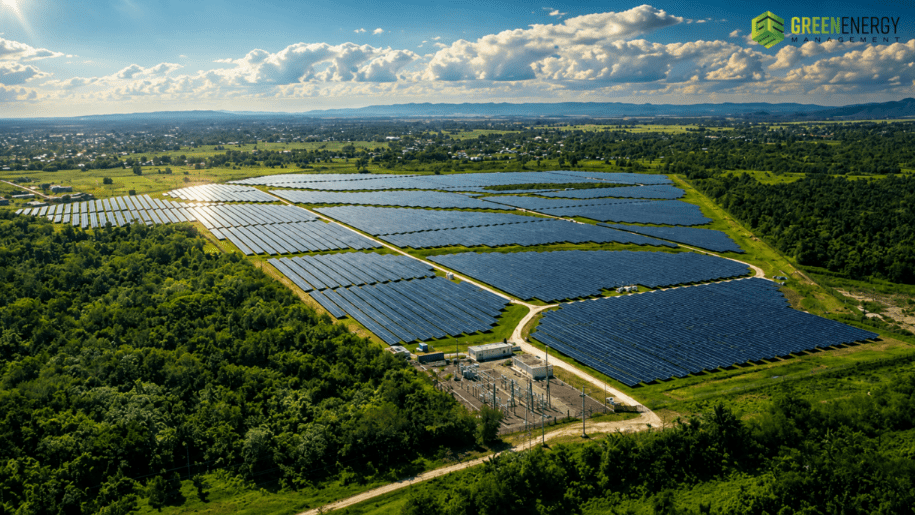
Recent discussions surrounding sustainable energy development, including those taking place during the Caribbean Sustainable Energy Conference in Trinidad & Tobago from June 15–17, 2026, continue to highlight an important shift in regional priorities. The challenge is no longer simply deploying renewable energy technologies. It is increasingly about building the infrastructure systems needed to integrate, manage, and support them reliably at scale. Confidence in the energy transition will ultimately depend not only on the technologies deployed, but on the ability of supporting infrastructure to perform reliably over time.
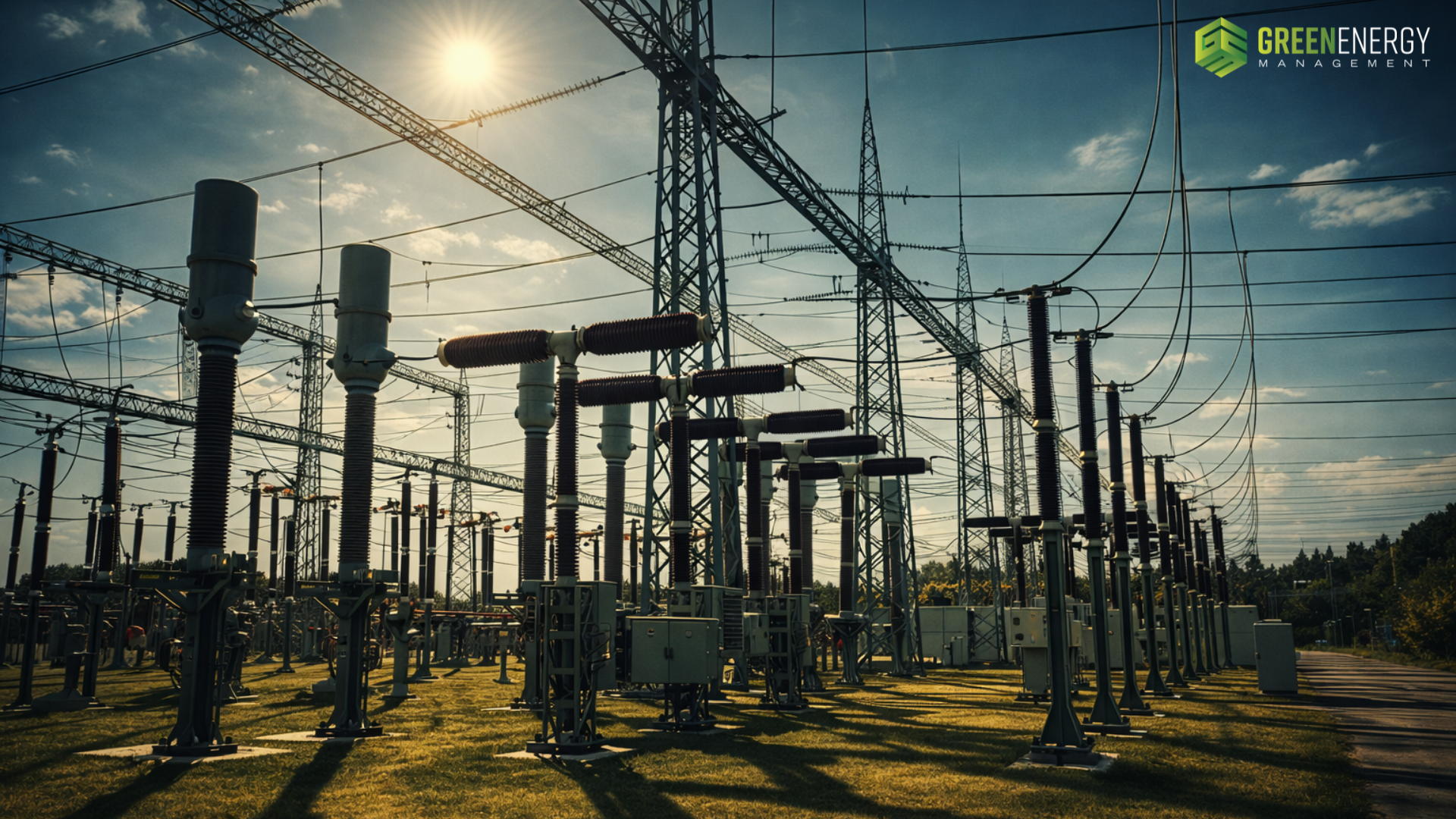
Across the Caribbean, ambitions to modernize energy systems continue to grow, but successful implementation increasingly depends on the strength of the infrastructure surrounding the technology. Generating clean electricity is only one part of the equation. The ability to generate, transmit, store, manage, and deliver energy reliably requires modern grids, energy storage systems, resilient transmission and distribution networks, dispatchable energy resources, and coordinated infrastructure planning.
The Caribbean energy transition is increasingly intersecting with broader priorities, including energy security, waste management, environmental sustainability, and economic resilience. Meeting these objectives will require infrastructure capable of supporting far more than electricity generation alone. For Caribbean nations, this means integrating renewable energy, supporting electrification, improving operational resilience, and accommodating future growth. Grid modernization, energy storage, digital controls, and integrated planning are becoming essential components of energy development, helping to ensure that clean energy investments deliver reliable, resilient, and lasting benefits.
For ports and electric utilities, this shift carries particular significance. Increasing electrification, shore-power requirements, evolving operational demands, and growing resilience expectations are reinforcing the need for coordinated infrastructure planning. Closer alignment between ports and electric utilities will play an increasingly important role in supporting reliability, sustainability, and long-term economic competitiveness.
The long-term success of the region’s energy transition will depend on the ability to align renewable generation, resilient infrastructure, electric utility modernization, port electrification, and resource recovery solutions within practical, financeable implementation frameworks. The conversation is no longer solely about expanding clean energy capacity. It is increasingly about coordinating the infrastructure systems needed to support energy security, economic resilience, and sustainable growth across the Caribbean.