Strengthening Energy Security Through Integrated Infrastructure
Recent developments across several Caribbean countries once again highlight a familiar challenge for island economies: exposure to global fuel price volatility. When international oil prices rise, governments often respond by adjusting taxes or absorbing part of the increase in order to shield households and businesses from sudden cost shocks.
While these measures provide important short-term relief, they also reveal a deeper structural vulnerability. Many Caribbean economies remain heavily dependent on imported fossil fuels for electricity generation and transportation. As a result, fluctuations in global energy markets can quickly translate into higher electricity costs, inflationary pressure, and fiscal strain for governments.
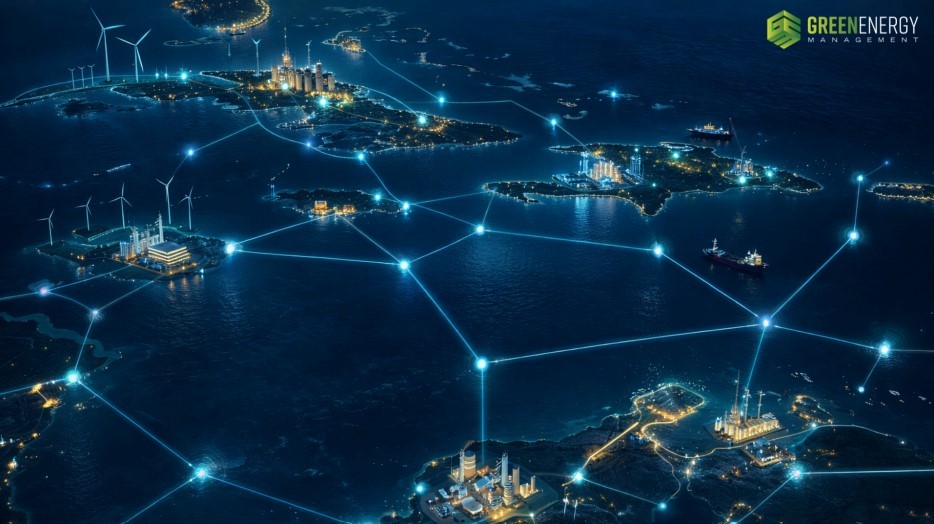
This recurring cycle underscores the importance of accelerating investments in more resilient energy systems. Expanding renewable generation, strengthening grid infrastructure, and deploying energy storage can help stabilize electricity costs while improving long-term energy security.
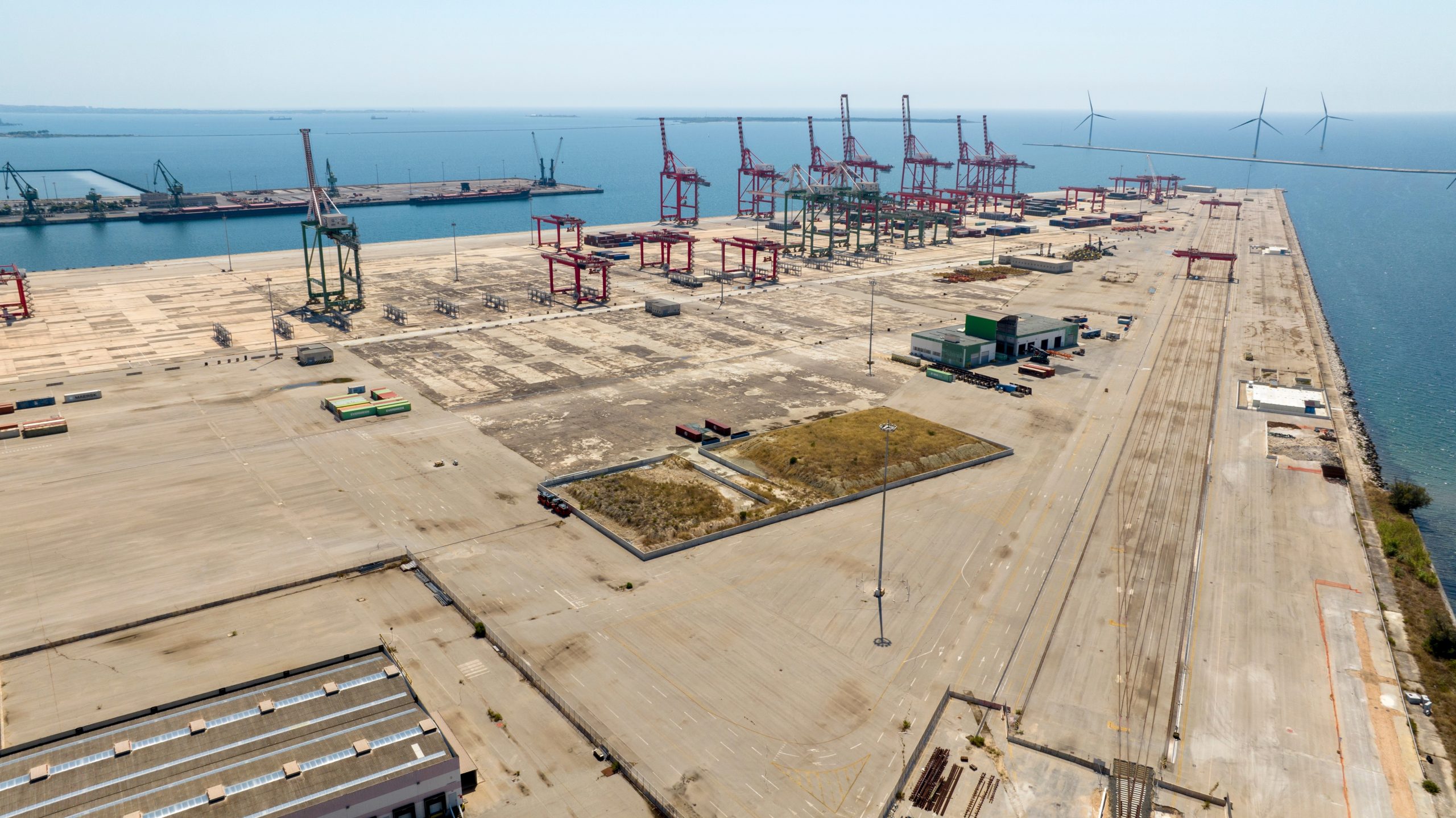
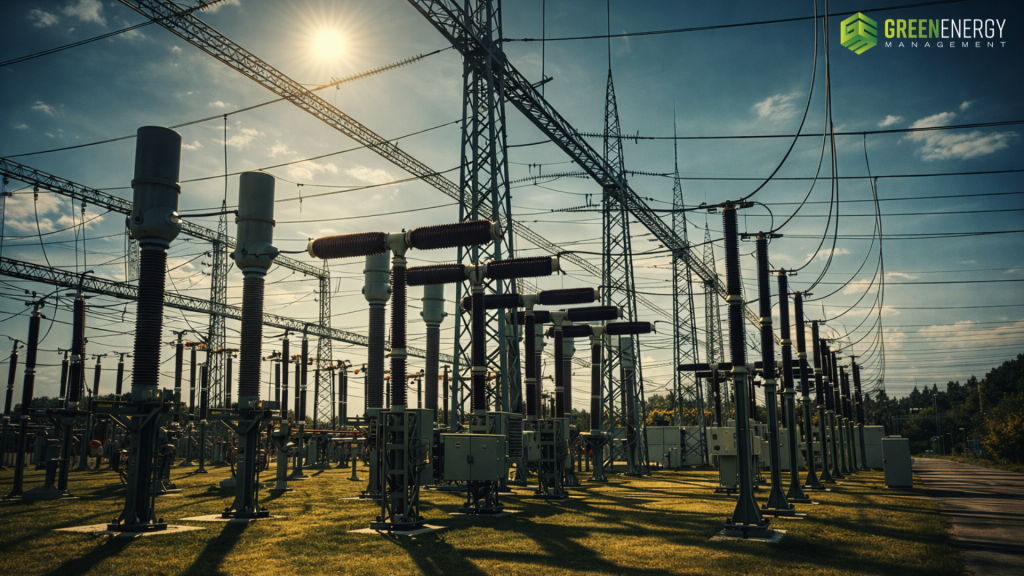
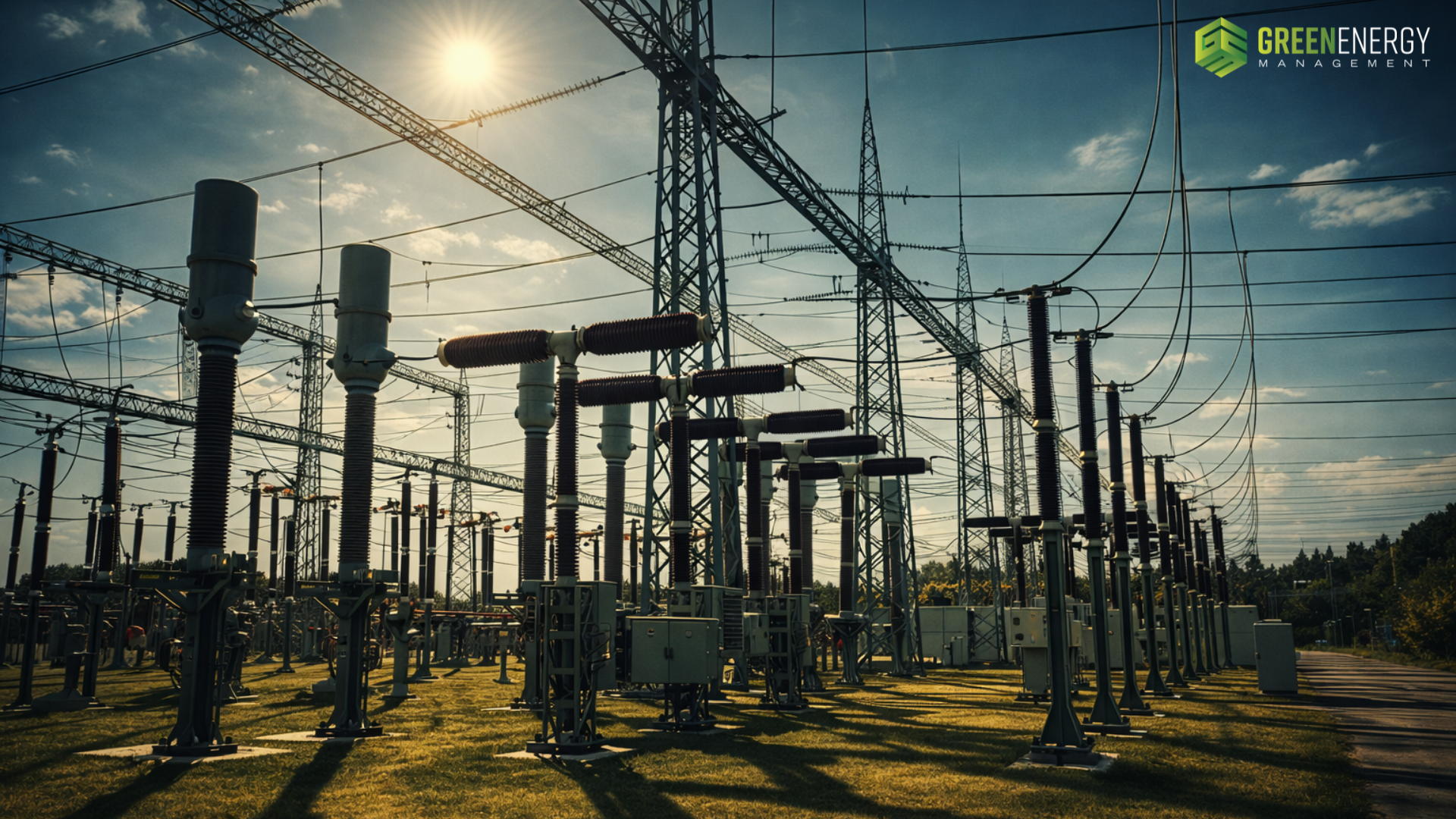
Across the region, both ports and electric utilities present important opportunities for advancing this transition. Ports, as critical hubs of trade and transportation—and significant energy consumers—can integrate renewable energy, microgrids, and shore-to-ship power for vessels at berth. At the same time, Caribbean electric utilities are working to modernize grid infrastructure to accommodate renewable generation, manage distributed energy resources, and strengthen system reliability as electrification expands across multiple sectors.
As global energy uncertainty continues, integrated energy planning across infrastructure sectors will be essential to building a more stable and resilient Caribbean energy future.