Bridging technical feasibility, commercial viability, and investment confidence.
An infrastructure project may be technically sound, commercially attractive, and well advanced in development, yet still fall short of securing financing.
In the Caribbean, where relatively small markets, higher financing costs, and project-scale constraints can present additional challenges, bankability depends on more than technical design and market demand. It requires a sound financial structure, appropriate risk allocation, regulatory certainty, enforceable contracts, creditworthy offtakers, and demonstrable capacity to service debt.
Economic Value Does Not Guarantee Bankability
Understanding this distinction requires consideration of three related concepts: economic viability, commercial viability and bankability.
Economic viability considers whether a project’s economic benefits, including wider societal benefits, justify its costs.
Commercial viability examines whether the project can generate sustainable financial value under its proposed commercial arrangements.
Bankability concerns whether the project can satisfy prospective financiers’ requirements for repayment capacity, acceptable returns, manageable risks and contractual protections.
A renewable-energy project may deliver substantial national economic benefits, yet its agreed tariffs and revenue arrangements may be insufficient to support financing obligations.
The challenge is translating economic and commercial value into a financial proposition that meets the requirements of prospective financiers.
Independent Verification Strengthens Investor and Lender Confidence
Project readiness involves preliminary site screening, feasibility studies, technical designs, land arrangements, regulatory and environmental approvals, and implementation plans. Collectively, these activities help identify, assess, and address technical, environmental, regulatory, commercial, and implementation risks that could affect project viability.
Financiers commonly require independent technical due diligence to verify site suitability and assess assumptions concerning energy production, technology performance, construction costs, grid integration, and operational reliability.
Such independent assessments help validate technical assumptions, identify unresolved risks, and provide investors and lenders with greater confidence in the project’s technical viability and risk management.
Development progress alone does not guarantee bankability.
Financeable Revenues and Contractual Certainty
Projected revenue does not necessarily translate into dependable cash flow. Financiers assess the creditworthiness of electricity purchasers (offtakers), the enforceability of payment obligations, and the project’s ability to service debt. Weaknesses in any of these areas can undermine investor confidence and constrain access to financing.
Financial models must reflect contractual commitments and the proposed financing structure, including repayment obligations and debt service requirements. Projected electricity sales provide limited assurance if the Power Purchase Agreement (PPA) does not establish sufficiently clear and enforceable payment obligations. Even with contract-backed revenues, a poorly structured financing plan can undermine a project’s bankability.
Bankability requires consistency between projected financial performance and the agreements intended to support it.
Risk Allocation and Execution Capability
Financiers scrutinize how risks such as construction delays, cost overruns, operational underperformance, and counterparty defaults are allocated and managed through contractual protections. Country-specific exposures, including currency volatility and changes in government policy or regulatory requirements, can also influence financing decisions. The significance of these risks may differ between lenders and investors, reflecting their respective risk tolerances and financing requirements.
Execution capability is equally critical. The experience and financial capacity of developers, contractors, suppliers and operating partners influence confidence in successful project delivery and long-term performance.
A credible financial model cannot compensate for unresolved risks or an inadequate delivery framework.
Building Bankability into Project Development
From GEM’s perspective, bankability should inform project development from an early stage, rather than being addressed only when financing is sought.
Early engagement with prospective financiers can help identify gaps in technical validation, regulatory approvals, revenue security, financing structure, contractual arrangements and execution capability while corrective action remains possible.
For Caribbean infrastructure projects, the objective is not simply to advance projects toward construction, but to develop investment propositions that financiers can assess with confidence.
Project readiness establishes how far a project has advanced. Bankability reflects whether its technical, financial, contractual and execution arrangements provide sufficient confidence to attract investment.
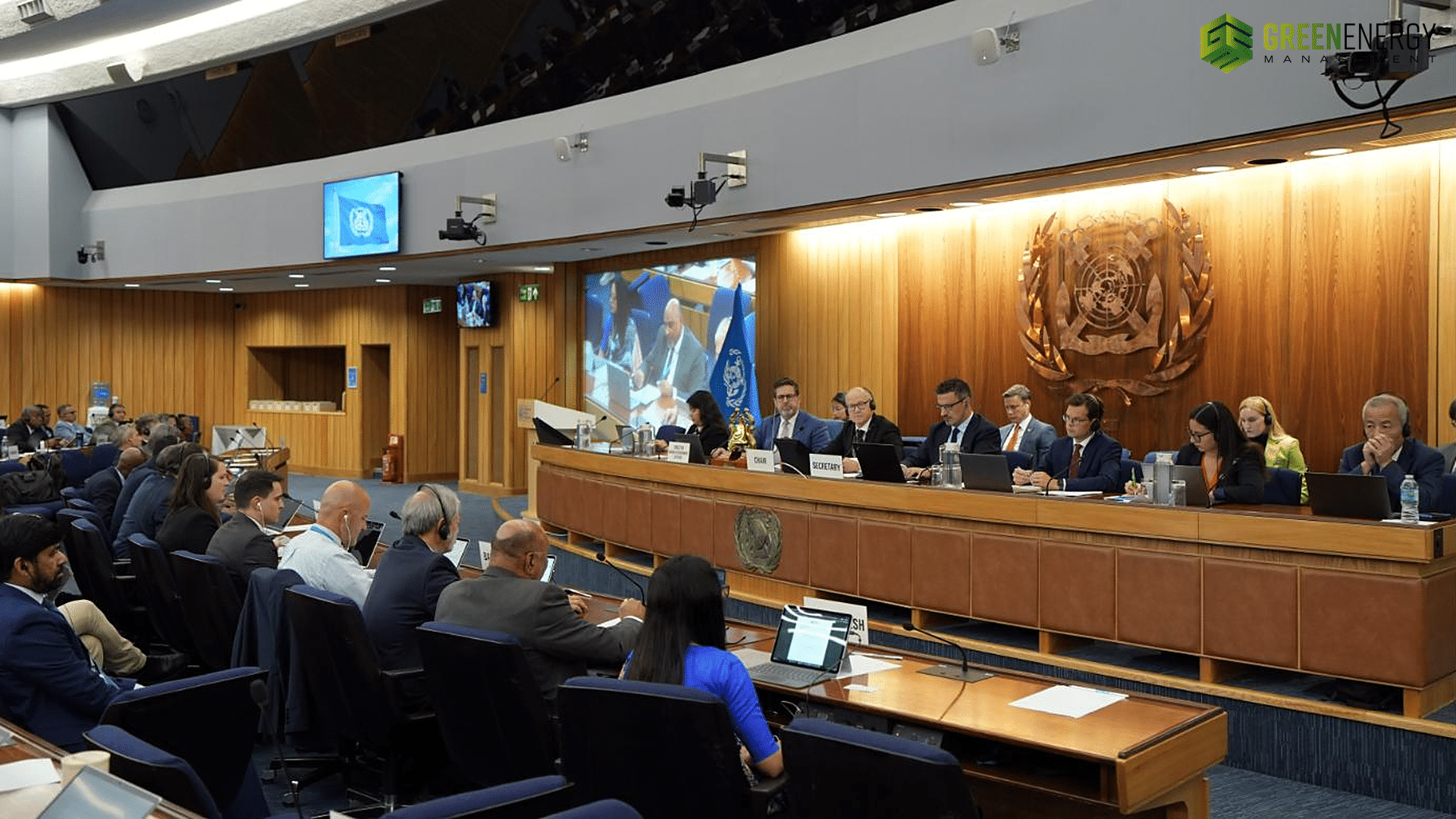
Image by DC Studio on Magnific