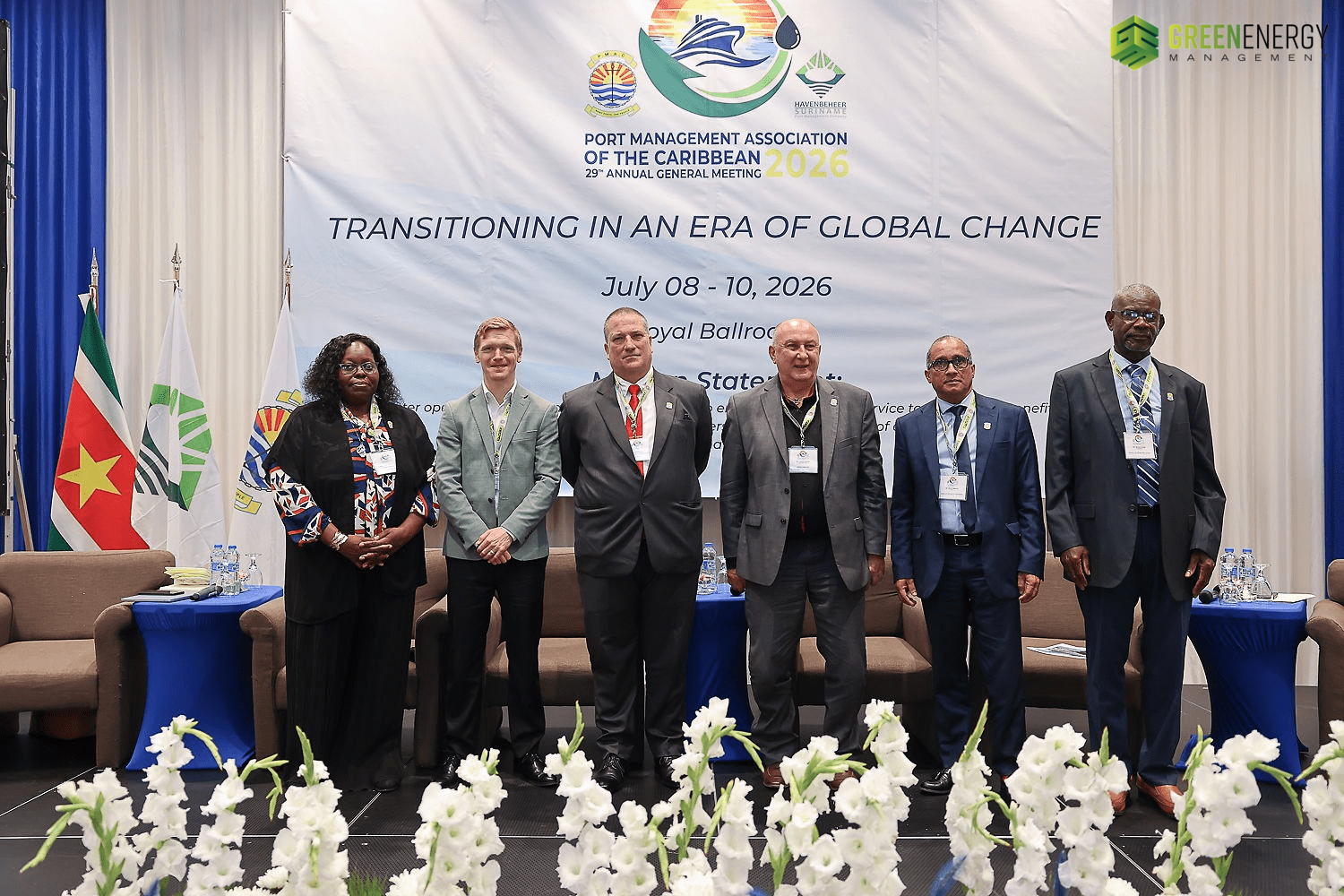
The Caribbean’s next infrastructure opportunity lies not only in what we build, but in how we collaborate.
The Caribbean is entering a new phase of infrastructure development. Governments, ports, electric utilities, and infrastructure developers across the region are investing in projects that strengthen resilience, advance sustainability, and enhance long-term competitiveness. Examples include renewable energy expansion and grid resilience initiatives in Antigua & Barbuda and Saint Lucia, geothermal development in Saint Kitts & Nevis, and renewable energy programmes supported by battery energy storage and grid modernization in Barbados. Collectively, these and many other initiatives reflect a shared commitment to building a more sustainable and resilient future.
Amid this progress, one emerging trend is becoming increasingly clear.
Many of the Caribbean’s most significant infrastructure challenges—and some of its greatest opportunities—are shared.
Energy security, resilient electricity networks, port modernization, climate adaptation, infrastructure financing, and the transition to lower-carbon economies are challenges that extend beyond national borders. While solutions must always reflect local priorities and conditions, many of the technical, commercial, and institutional considerations facing Caribbean countries are remarkably similar.
This creates an opportunity to strengthen regional collaboration, share experience, and leverage collective expertise while delivering solutions tailored to each country’s unique needs.
Regionalization is not about replacing national priorities with regional ones. Rather, it is about recognizing where collaboration can strengthen individual countries by enabling greater knowledge sharing, coordinated planning, stronger partnerships, improved access to expertise, and more efficient project delivery.
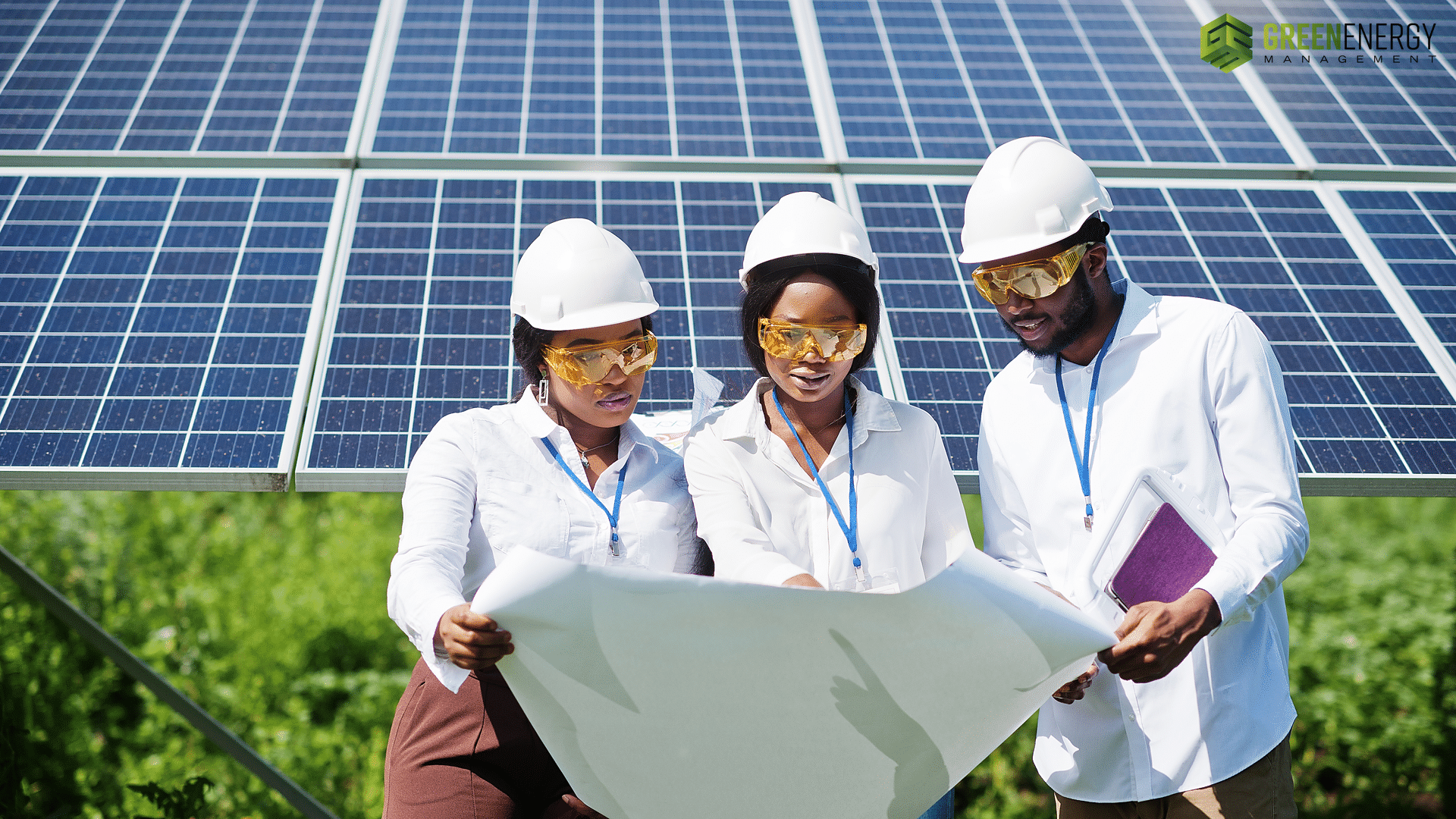
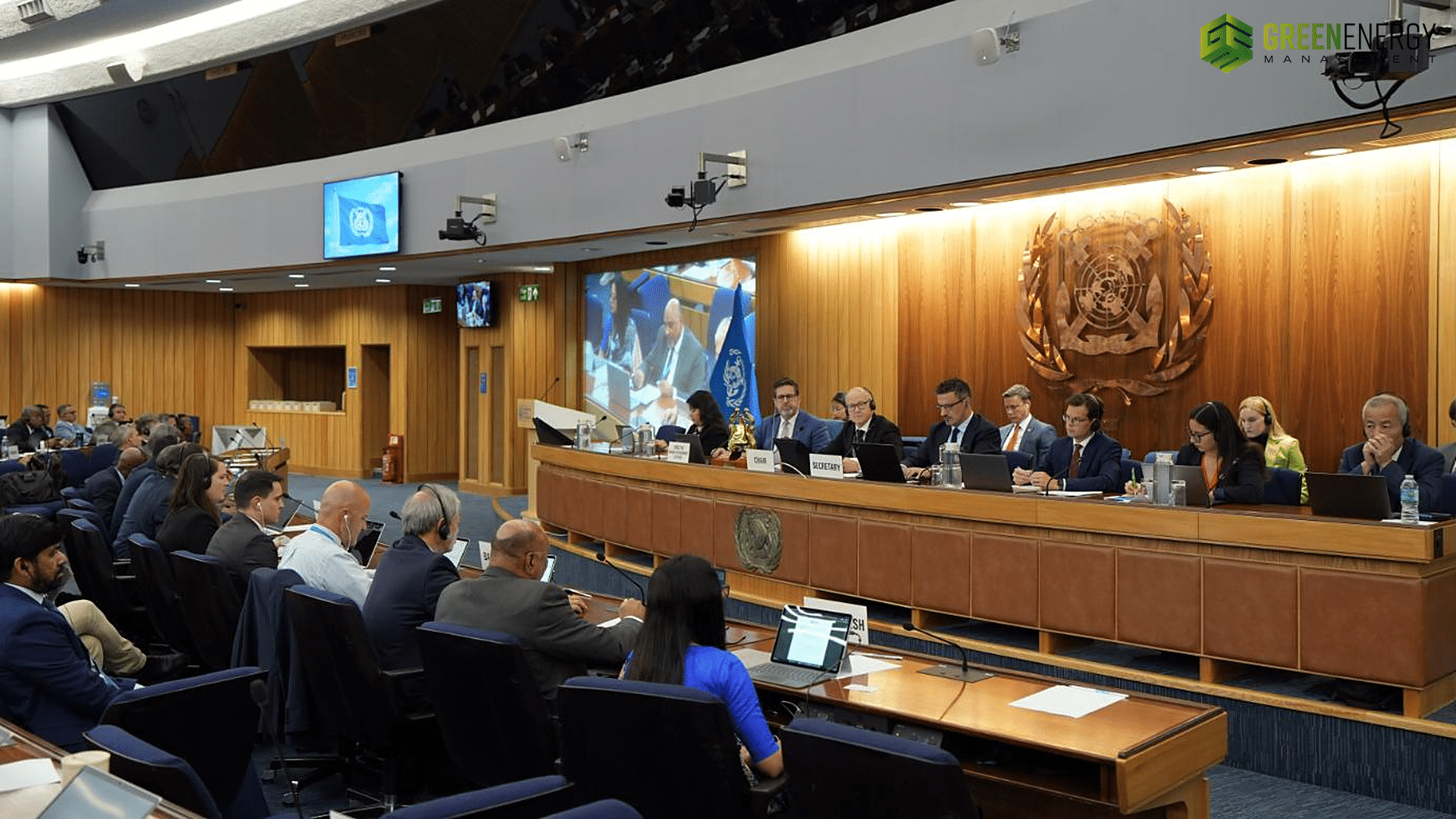
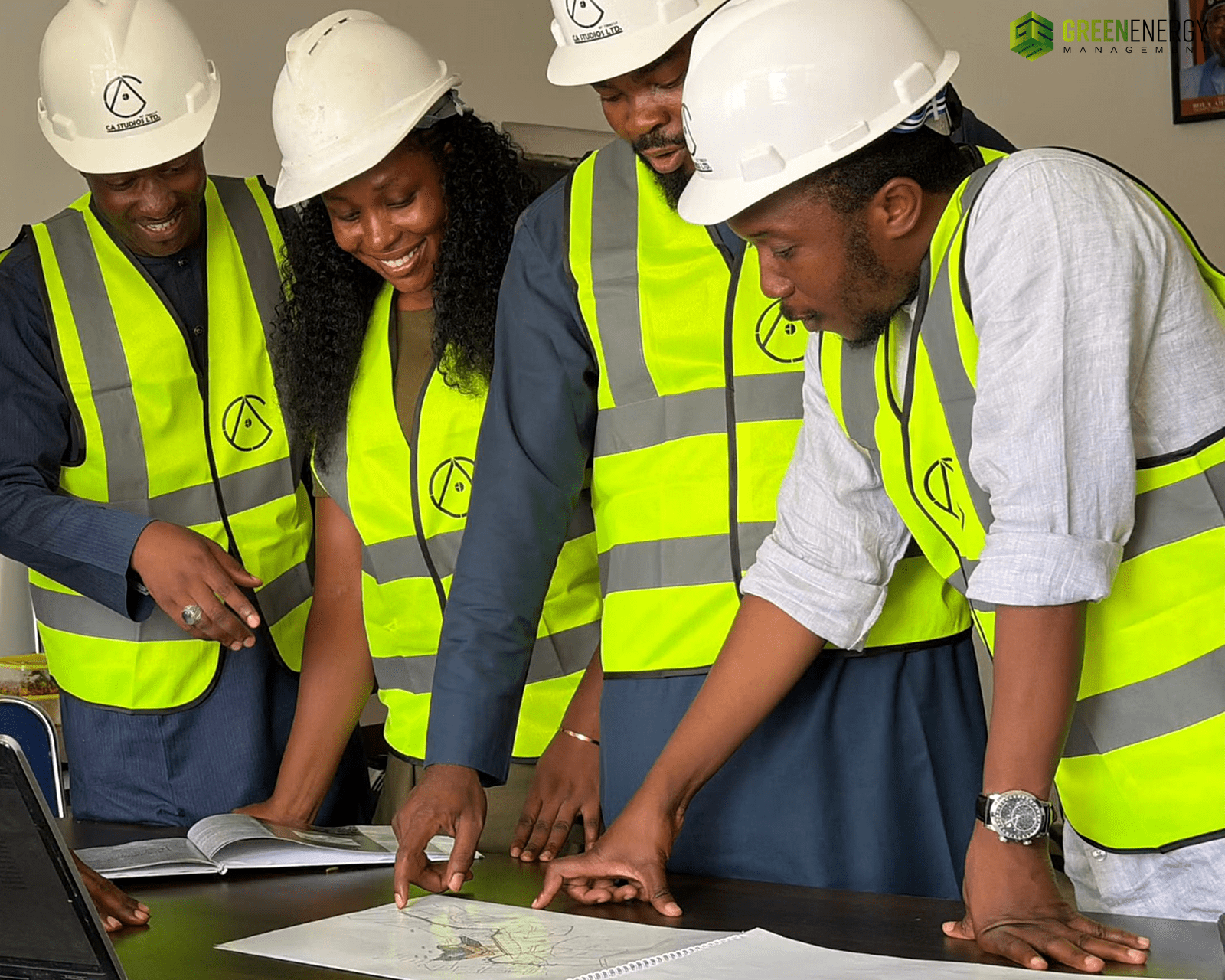
As infrastructure projects become increasingly complex, successful implementation requires more than sound engineering or proven technology. It depends on effective collaboration among governments, electric utilities, ports, developers, financiers, technology providers, and local stakeholders to align technical, commercial, regulatory, and operational objectives.
This collaborative approach creates opportunities to leverage regional experience, share practical knowledge, strengthen delivery capacity, and expand access to specialized expertise. By learning from one another and adapting proven solutions to local conditions, Caribbean countries can reduce implementation risk while accelerating the delivery of resilient infrastructure.
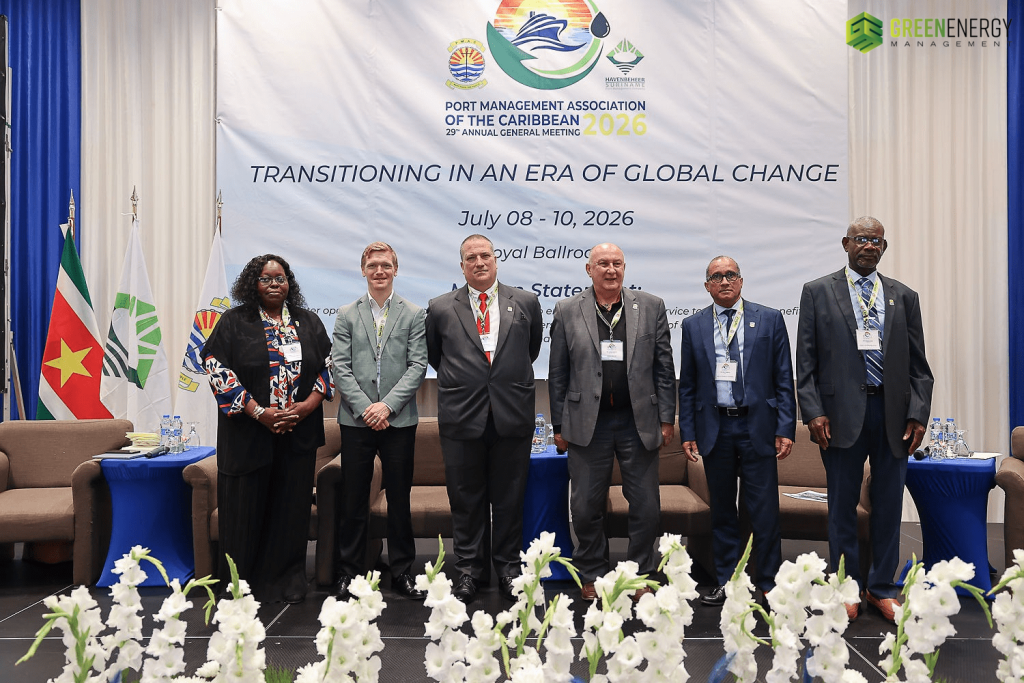
For organizations operating across the Caribbean, regional engagement is becoming an increasingly important capability. Success depends not only on understanding each country’s unique operating environment, but also on recognizing the common opportunities that connect them. This broader perspective supports more practical, resilient, and scalable infrastructure solutions.
At Green Energy Management (GEM), this perspective shapes how we approach project development. We believe the Caribbean’s long-term infrastructure transformation will be driven not only by technological innovation, but also by collaboration, strategic partnerships, and coordinated implementation that leverage regional experience while responding to local priorities.
The Caribbean has long demonstrated ambition, innovation, and resilience.
The next strategic advantage may lie in how effectively we harness our collective experience, strengthen regional partnerships, and transform shared ambitions into successful infrastructure projects that deliver lasting value for our communities and economies.