GEM’s Perspective Ahead of Maritime Energy Transition Summit February 5, 2026
The maritime sector is entering a decisive phase in the global energy transition. Across ports, shipping, and coastal infrastructure, decarbonization commitments are accelerating, yet implementation remains complex, particularly for island and climate-exposed regions.
This challenge sits at the heart of the Maritime Energy Transition Summit (METS) 2026, a one-day virtual forum taking place on Thursday, 5 February 2026. The summit’s theme, “From Complexity to Clarity: Practical Pathways for Maritime Decarbonization,” reflects a growing industry reality: ambition is no longer the constraint, coordination and delivery are.
From GEM’s perspective, this shift from targets to execution is where meaningful progress is made.
Maritime Decarbonisation, as an Infrastructure Challenge
Maritime decarbonisation cannot be addressed in isolation. Ports are electrifying operations, vessels face tightening emissions standards, and electric utilities must manage new demand, all while island systems remain exposed to fuel volatility, grid disruption, and climate risk.
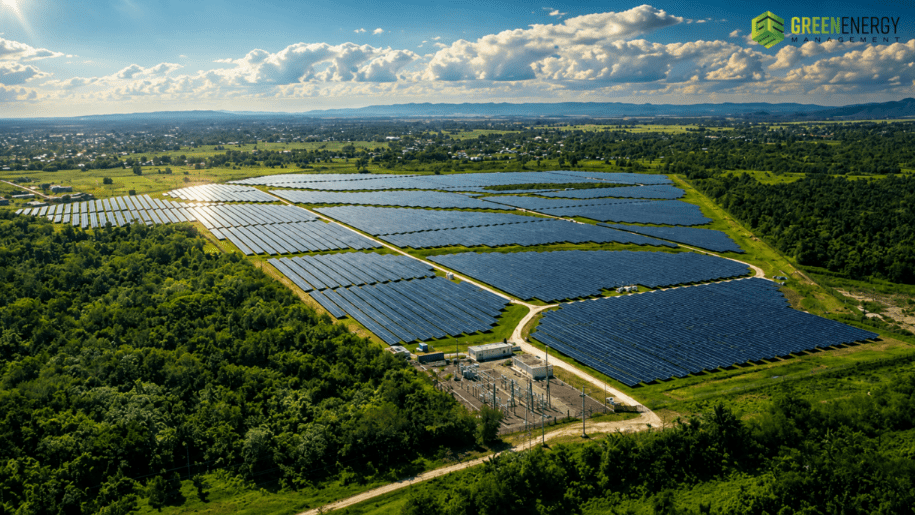
These pressures require integrated infrastructure planning rather than fragmented solutions. Renewable generation, energy storage, shore-to-ship power, grid coordination, and digital systems must work together as part of a coherent energy ecosystem.
This is the practical lens through which GEM approaches maritime decarbonization, and why forums like METS 2026 are increasingly relevant.
The Strategic Role of Ports in the Energy Transition
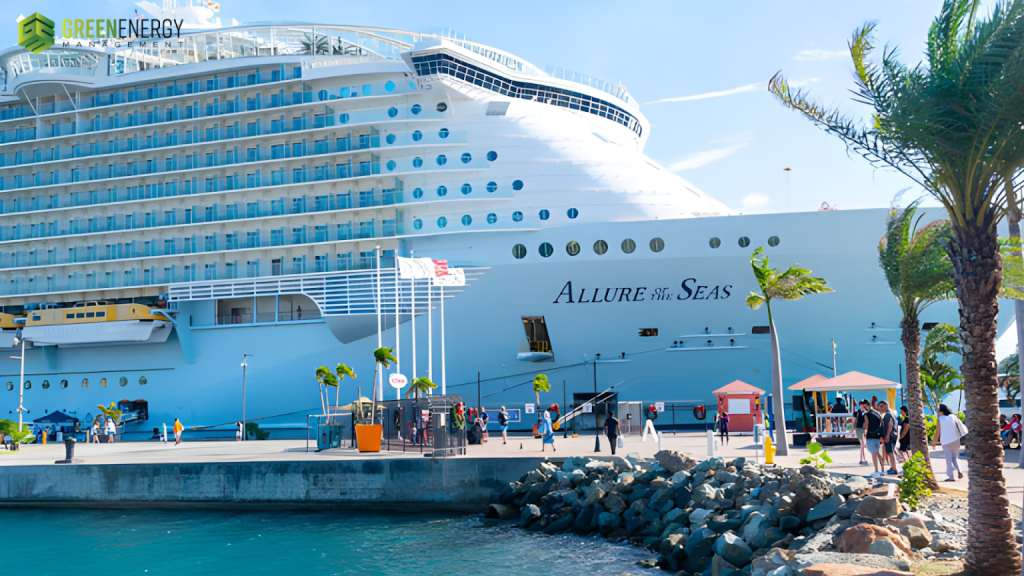
Ports sit at the intersection of energy, trade, and resilience. As major electricity users and gateways for tourism and commerce, they are uniquely positioned to anchor clean-energy infrastructure that benefits both port operations and surrounding communities.
From GEM’s experience, port decarbonisation succeeds when energy systems are treated as strategic infrastructure, not compliance add-ons. Electrification, renewable integration, and resilient power systems must be aligned with electric utilities and national energy strategies to ensure reliability, cost control, and recovery capability during disruptions.
When planned correctly, port electrification strengthens island energy systems rather than adding grid stress.
Moving from Technology Choices to System Design
A key insight shaping GEM’s work and reflected in the focus of METS 2026 is that decarbonisation is no longer about selecting individual technologies. It is about designing systems.
Solar PV, energy storage, waste-to-energy, alternative fuels, and digital platforms all have value, but their impact depends on how they are integrated. System design determines whether projects are resilient, financeable, scalable, and profitable. For island regions, this systems-based approach is essential to balancing decarbonisation with energy security and economic stability.
GEM’s Perspective: Integrated Solutions for a Resilient Maritime Future
At Green Energy Management (GEM), maritime decarbonisation is delivered through integrated, partnership-driven, systems-oriented, infrastructure development. Across ports, electric utilities, and island systems, GEM aligns technical solutions, operational realities, and investment structures into coordinated energy platforms that speak to the increasing requirement for regional self-sufficiency, economic vitality and resilience.
From shore-to-ship power and port electrification to renewable microgrids, waste-to-energy systems, and regional energy planning, GEM supports solutions that enhance reliability, reduce energy cost, and strengthen resilience, while remaining grounded in Caribbean realities.
Engagement with initiatives such as METS 2026 reflects GEM’s commitment to advancing clarity, coordination, and practical delivery across the maritime energy transition.
Looking Ahead
The maritime energy transition is entering a new phase – one defined less by technology selection and more by system design. As ports, utilities, and governments move from ambition to execution, success will increasingly depend on integrated solutions that are resilient, financeable, scalable, and commercially viable.
By advancing systems-based planning and partnership-driven delivery, GEM supports practical pathways that reduce complexity and translate decarbonisation goals into durable infrastructure outcomes. Through continued engagement with regional stakeholders and initiatives such as METS 2026, GEM remains focused on bringing clarity, coordination, and disciplined execution to the Caribbean’s maritime energy transition.