Caribbean ports sit at the center of regional trade, tourism, and economic development but they also face rising fuel costs, tightening environmental standards, and growing exposure to climate and grid disruptions. In this environment, clean energy is no longer a compliance exercise; it is becoming a critical driver of operational performance, resilience, and long-term competitiveness.
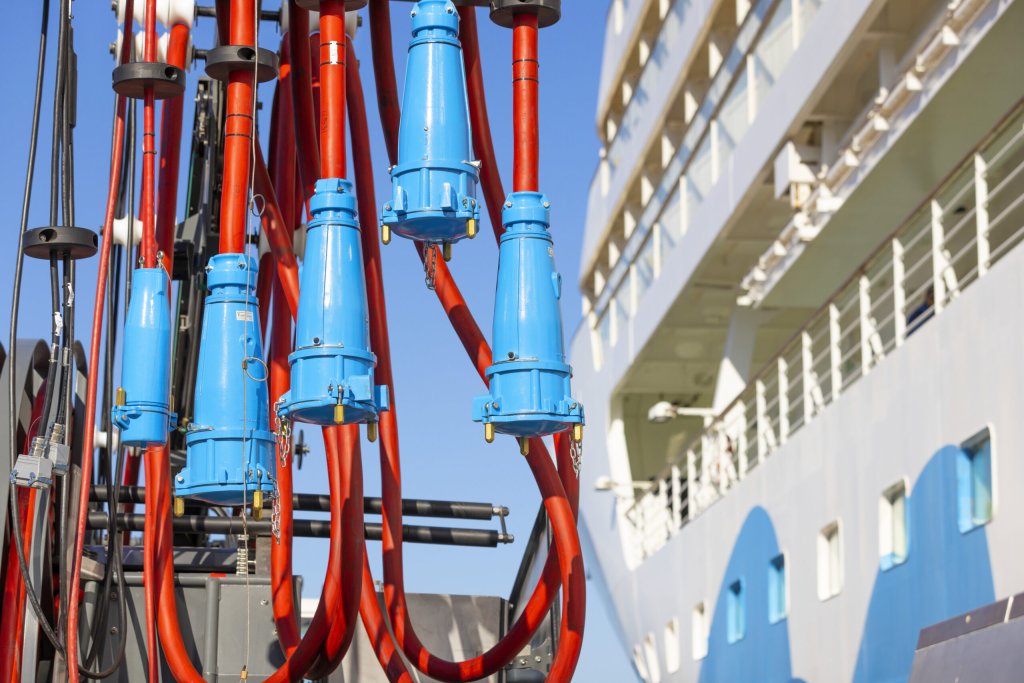
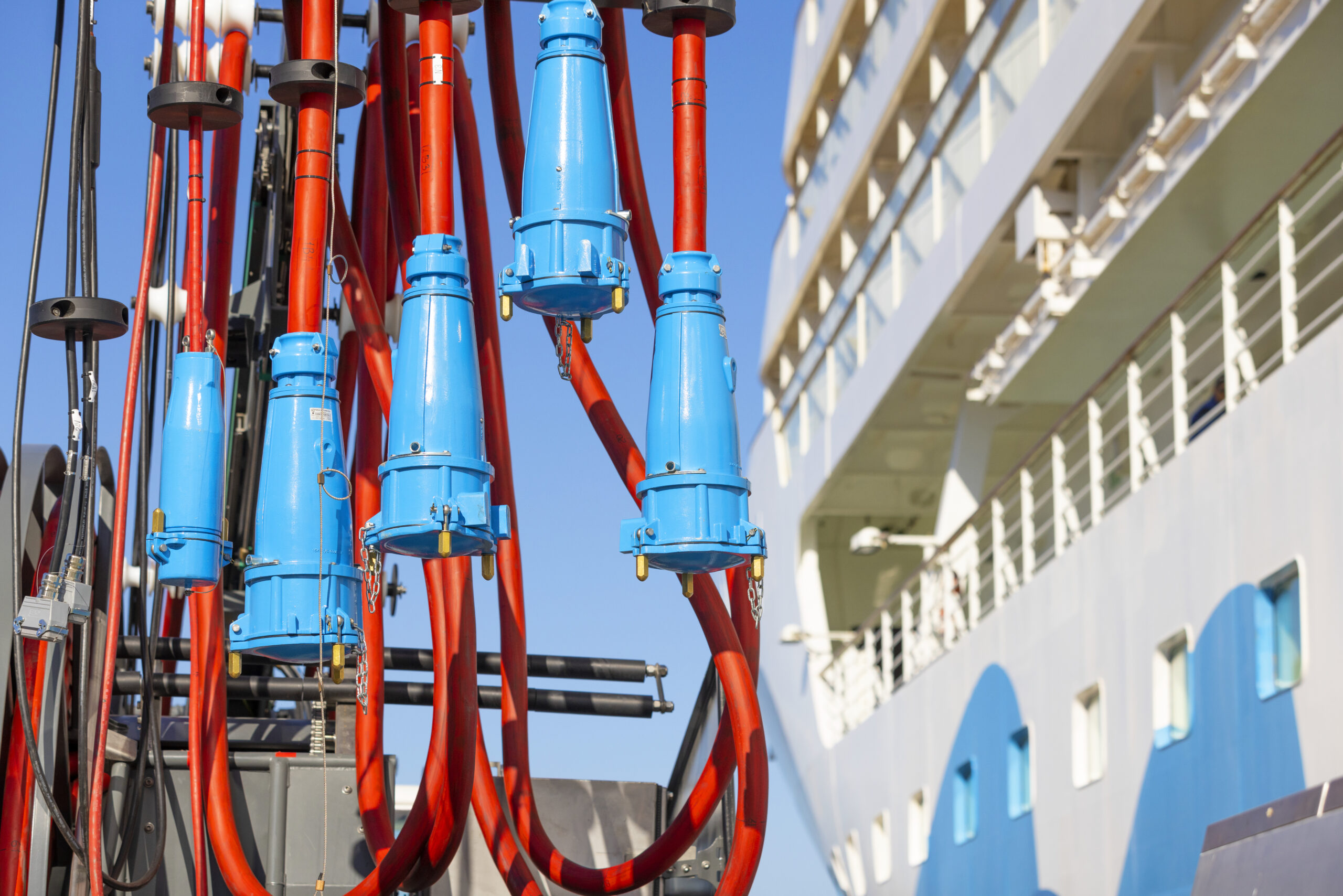
Ports that invest in renewable power, electrification, and resilient energy systems unlock clear, measurable advantages. Shore-to-ship power cuts fuel consumption and emissions at berth while improving local air quality and regulatory compliance. Clean electrification lowers operating costs across both port operations and administrative facilities, stabilizing energy expenses and improving reliability. Integrated solutions such as microgrids and energy storage protect critical systems from grid disruptions, enable continuity during outages, and strengthen resilience to extreme weather turning energy infrastructure into a cost-management and risk-reduction asset.
Clean energy also strengthens a port’s commercial position. Shipping lines and cruise operators face mounting pressure to improve environmental performance, and ports that offer reliable, low-emission energy services are better positioned to attract and retain these customers. Cleaner operations also support national climate goals and deliver tangible health and environmental benefits for surrounding port communities.
As the region looks ahead, Caribbean ports that treat clean energy as strategic infrastructure, rather than a standalone initiative will be best placed to lead. In doing so, they will anchor a more resilient, competitive, and sustainable Caribbean economy.