The future of port power in the Caribbean is brimming with potential. As the region accelerates its transition toward sustainable energy, ports are emerging as critical platforms where energy, trade, and resilience intersect.
At the same time, Caribbean ports face growing exposure to climate impacts, grid disruptions, and tightening environmental requirements, placing new demands on how port energy systems are planned and delivered.
At GEM, we operate at the forefront of this transition, supporting ports as they modernize energy infrastructure in ways that reduce environmental impact while strengthening operational efficiency, resilience, and long-term economic viability. This vision underpins the Caribbean Green Corridor (CGC), a regional initiative designed to advance clean, reliable port energy systems through coordinated planning and partnership-driven delivery.
The Caribbean Green Corridor Concept
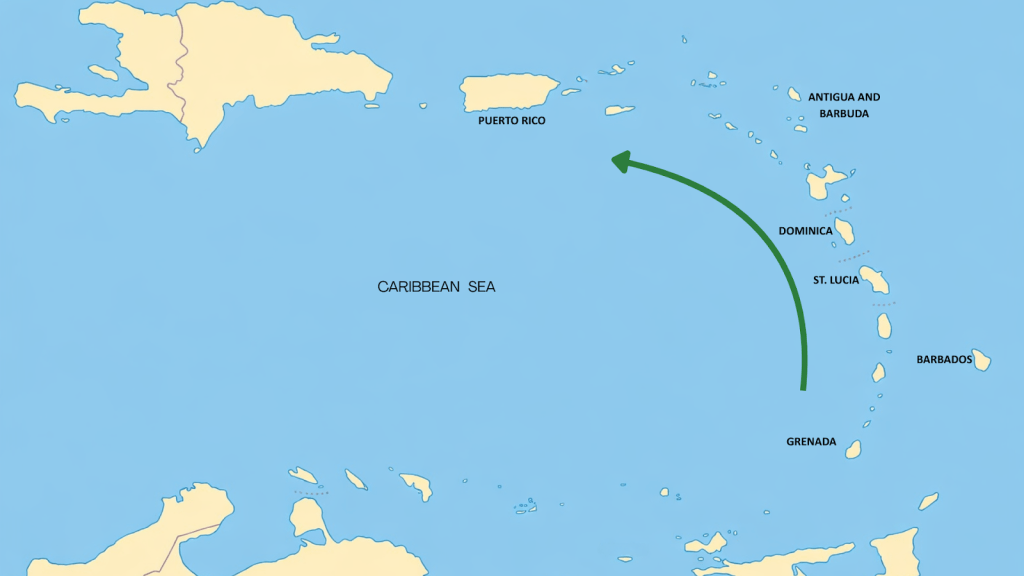
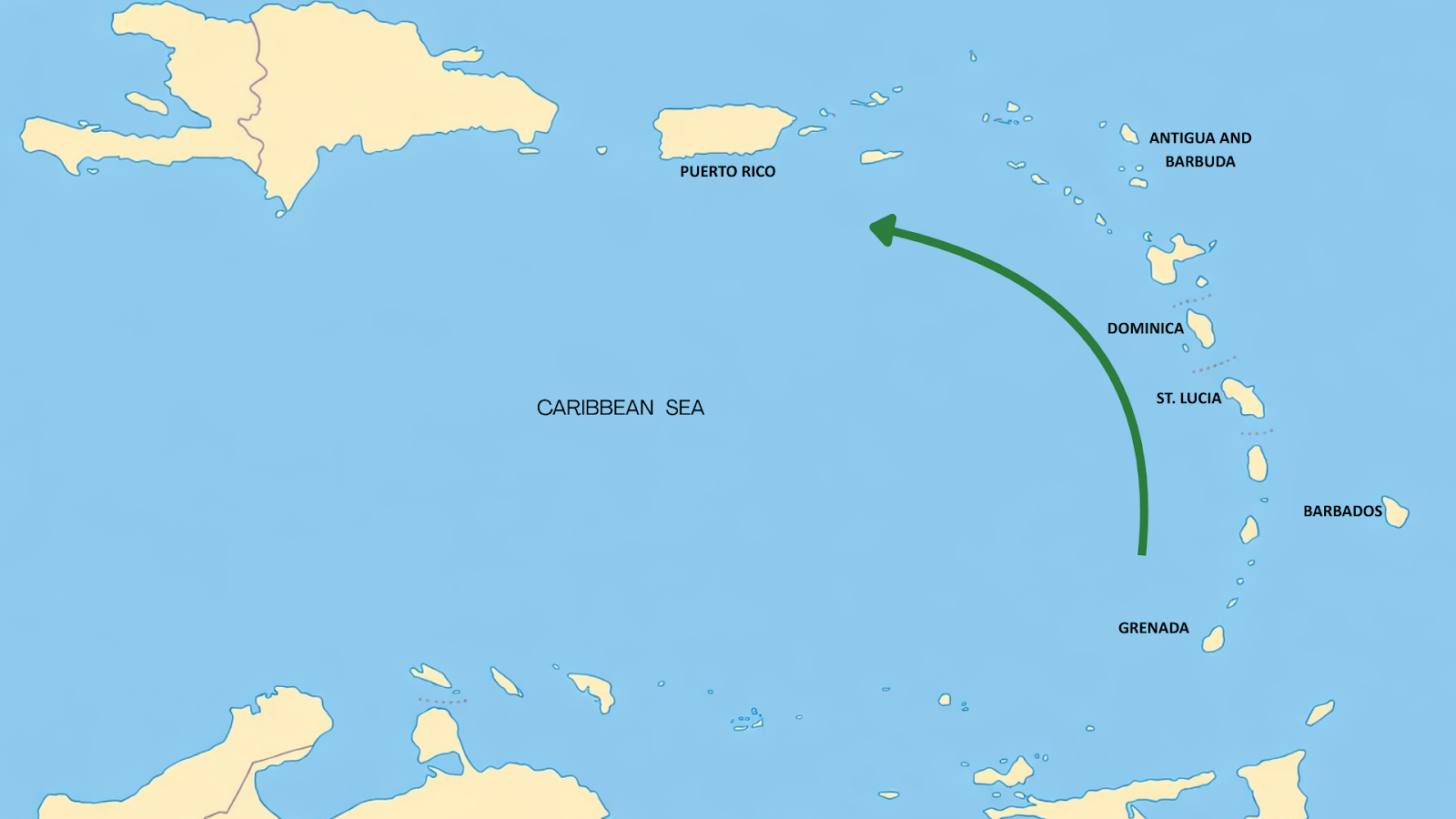
The Caribbean Green Corridor aims to support the deployment of renewable energy systems that meet port operational energy needs while enabling clean shore-to-ship power for berthed vessels, including cruise ships, cargo vessels and yachts. This includes the use of solar PV power with strategic energy storage systems and, where appropriate, complementary waste-to-energy systems that reflect local conditions and infrastructure readiness.
By creating a network of ports capable of supplying clean energy to vessels along key maritime routes, the CGC establishes a logistics and energy framework in which cruise and shipping operations can progressively decarbonize while maintaining reliability and performance. The Caribbean’s geography, solar resources, and port density make it an ideal region to pioneer this model.
Why the Caribbean Green Corridor — and Why Now
The timing for the Caribbean Green Corridor is critical. Ports across the region are facing rising demand for electrified operations, increasing expectations for shore power, and greater scrutiny from regulators, customers, and communities alike. At the same time, cruise lines and maritime operators are under growing pressure to reduce emissions while maintaining predictable operating costs and service reliability.
Without coordinated planning, port electrification and clean-energy deployment risk becoming fragmented; creating inefficiencies, grid stress, and uneven outcomes across islands. The CGC responds to this challenge by providing a structured, regionally aligned framework that supports cleaner port operations while strengthening energy readiness, resilience, and long-term competitiveness.
Regional Benefits of the Caribbean Green Corridor
The Caribbean Green Corridor delivers benefits that extend beyond individual ports:
- Operational efficiency and sustainability: Renewable energy and resilient power systems improve reliability, reduce emissions, and support safer, more efficient port operations.
- Revenue Diversity and Improved Profits: The CGC introduces a new revenue stream for ports and electric utilities by supplying locally generated clean power to berthed vessels. This not only boosts bottom lines but also provides resilience at times when fossil fuel costs are elevated due to variation charges and rising demand from artificial intelligence and other energy-intensive sectors.
- Alignment with net-zero goals: The CGC supports national and international decarbonization commitments by reducing reliance on fossil fuels in maritime operations.
- Reduces Emission Penalty Exposure for Vessels: By accessing clean shore power, cruise and cargo vessels improve their Carbon Intensity Indicator (CII) ratings, lowering exposure to FuelEU Maritime penalties. At the same time, operators can generate carbon credits, turning compliance into a financial and reputational advantage.
- Tourism competitiveness: Clean, shore-powered ports enhance the Caribbean’s appeal to sustainability-focused cruise operators and travelers.
- Economic growth: CGC implementation supports job creation across renewable energy, construction, engineering, and port services.
- Energy independence: Reducing reliance on imported fuels enhances price stability and shields ports from global energy volatility.
- Regional collaboration: Shared frameworks and coordinated deployment strengthen cooperation among Caribbean nations and port authorities.
Supporting Grid Stability and Utility Coordination
The CGC aligns port energy demand with renewables, storage, and grid planning, helping electric utilities manage new loads, improve reliability, and avoid unplanned demand growth. This ensures port electrification strengthens island energy systems rather than adding stress, reinforcing resilience across both port and utility operations.
Global Implications
Operational green corridors such as the CGC demonstrate the feasibility of cleaner maritime operations at scale. By aligning with international initiatives, including global green-corridor frameworks and emissions-reduction coalitions, the CGC positions the Caribbean as a leader in sustainable port and cruise infrastructure, setting a model that can be replicated in other regions.
Clarifying the Scope of the Caribbean Green Corridor
The Caribbean Green Corridor is not a single technology solution, fuel pathway, or standalone project. It is a flexible, partnership-driven framework that enables ports to pursue clean energy, shore power, and resilience solutions appropriate to their specific operational, grid, and national contexts.
The CGC is designed to evolve over time, supporting phased implementation rather than one-size-fits-all deployment. This adaptability allows ports to progress at different speeds while remaining aligned within a shared regional strategy.
GEM’s Role in Delivering the Caribbean Green Corridor
GEM supports the Caribbean Green Corridor by working in close partnership with ports, electric utilities, governments, communities, and financiers to design and deliver integrated clean-energy infrastructure.
Through a systems-based approach, GEM aligns technical solutions, operational realities, and investment structures into coordinated projects that deliver durable environmental and economic value.
By addressing port energy demand, utility operations, and island grid constraints together, GEM helps ensure CGC projects enhance reliability, reduce fuel dependence, and strengthen resilience at both national and regional scales, maximizing long-term energy security and emissions reduction.
By addressing port energy demand, utility operations, and island grid constraints together, GEM helps ensure CGC projects enhance reliability, reduce fuel dependence, and strengthen resilience at both national and regional scales, maximizing long-term energy security and emissions reduction.
Advice for Ports Considering Participation
Ports exploring participation in the Caribbean Green Corridor should consider the following actions:
- Embrace phased transition: Treat clean energy and shore power as long-term infrastructure investments rather than short-term compliance measures.
- Invest strategically: Prioritize renewable energy, storage, and resilient power systems that align with operational needs and grid realities.
- Coordinate early: Engage electric utilities, regulators, and stakeholders early to ensure alignment and avoid downstream constraints, even if the port creates an independent microgrid.
- Focus on resilience: Design energy systems that support continuity and recovery during climate and grid disruptions.
- Communicate leadership: Demonstrating commitment to sustainability strengthens reputation and competitiveness with customers and investors.
- Monitor and adapt: Continuously assess performance and adjust strategies as technologies, regulations, and market expectations evolve.
Conclusion
The Caribbean Green Corridor represents a strategic step forward for the region’s ports and maritime sector. By integrating renewable energy, shore power, and coordinated planning into a shared regional framework, the CGC supports cleaner operations, higher profits, reduced emission penalties, stronger resilience, and long-term economic competitiveness.
Through partnership-driven delivery and systems-based planning, GEM supports ports across the Caribbean in transforming energy challenges into durable infrastructure solutions, positioning the region as a global leader in sustainable, resilient maritime operations.